
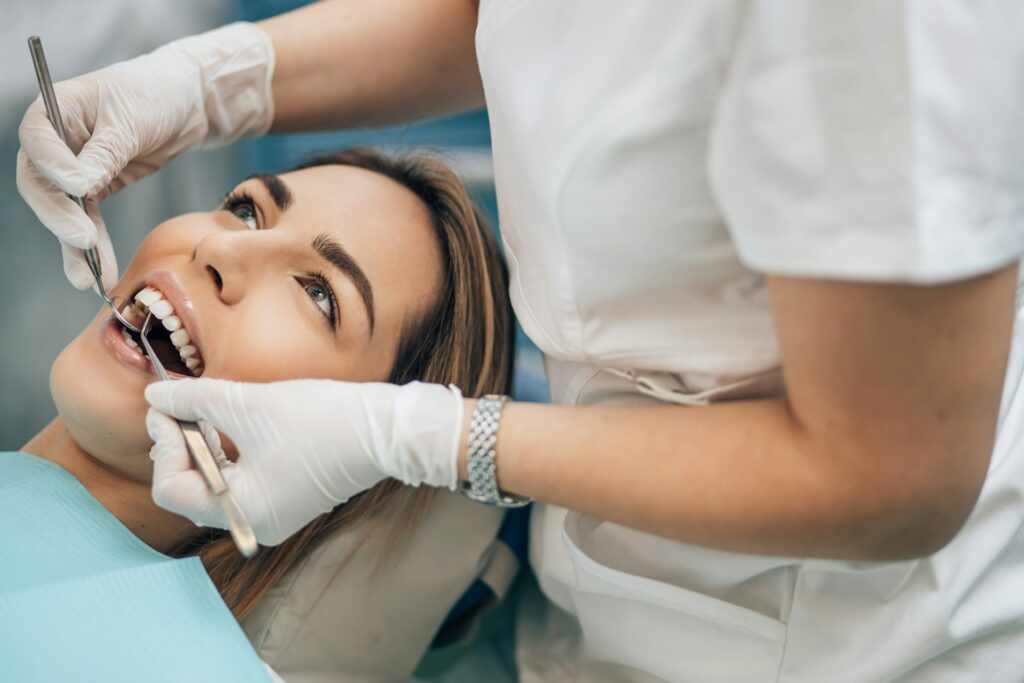
Getting dental bridges is a big step toward restoring a healthy, full smile. Whether you’re replacing just one tooth or several, bridges help fill in the gaps and bring back your ability to chew and speak more comfortably. But even though they’re designed to feel natural, speaking clearly might take a little getting used to right after your procedure.
It’s totally normal to experience a few hiccups in the first few days or weeks as your mouth adjusts. Your tongue, teeth, and lips all work together to produce clear speech, and any change in your bite or mouth structure can throw things off a bit. The good news? With a little patience and the right habits, you can regain your natural speaking rhythm and feel more confident when talking with others.
Understand Your New Dental Bridges
Dental bridges are fixed restorations used to replace missing teeth. They literally bridge the gap left by one or more missing teeth using the surrounding teeth for support. Depending on the design, they can be placed over natural teeth or dental implants.
When you first get a bridge, your mouth needs time to adjust. Your tongue might have trouble figuring out where to go during certain sounds, especially if the bridge feels a bit higher or thicker than your natural teeth. This adjustment period is completely normal. It’s similar to how your feet feel odd in a new pair of shoes until they’ve worn in a bit.
Here are a few common things you might notice during the first few weeks:
– Slight lisping or slurring, especially with “s,” “th,” or “sh” sounds
– The feeling that your teeth don’t come together the way they used to
– An increase in saliva as your mouth reacts to the new appliance
– The habit of constantly touching the bridge with your tongue
These changes tend to fade as your mouth gets more comfortable. Some people adjust within days, while for others it may take a few weeks. The most helpful thing you can do is stick with it, avoid becoming frustrated with small speech hiccups, and focus on gentle practice each day.
Practice Makes Perfect
The best way to get used to speaking with your dental bridge is by using your voice more often. Talking helps your mouth figure out what has changed and how to work around the new bridge. The more you practice, the faster the adjustment tends to happen.
Here are a few easy ways to improve your speech at home:
1. Read aloud. Pick a book, magazine, or even a recipe and read it out loud. This helps your tongue and lips adjust to forming sounds around the bridge.
2. Talk to yourself. It might feel silly, but narrating simple tasks like making lunch or folding laundry can help your speech flow more easily.
3. Try slow repetition. Focus on tricky words or sounds that you find challenging. Repeat them slowly and clearly, gradually increasing your normal speaking pace.
4. Record your voice. Use a phone or device to record yourself reading or speaking. This lets you hear what others hear and track your progress over time.
5. Talk to friends and family. The people you’re closest to are a good audience for low-pressure practice. You’ll be more relaxed and better able to try different sounds or pacing.
Keep in mind that everyone’s tongue and speech habits are different. Don’t compare yourself to others. Find a pace that works for you and stay consistent. Even just practicing for five to ten minutes a day can make a big difference in how confident you feel speaking with your new bridge.
Utilize Helpful Tools
If you’re looking for extra ways to speed up your progress, there are plenty of simple tools you can try at home to sharpen your speech. Adding variety to your practice keeps things interesting and exercises different speech muscles. Using a mix of approach styles can help you retrain your mouth, especially when working around new dental bridges.
Here are a few helpful ideas to add to your routine:
– Tongue twisters: These are great for building coordination and control. Start slowly and say each one multiple times. Examples like “She sells sea shells” or “Red lorry, yellow lorry” challenge both your tongue and clarity.
– Speech practice apps: These can be useful when you’re not sure where to start. Look for basic ones designed to improve pronunciation or rhythm.
– Use a mirror: Watching how your mouth moves while you talk can give quick feedback. If your lips or tongue are making odd movements, you can spot and fix them more easily.
Over time, you’ll notice which tools work best for you. Don’t feel limited to a certain method. Mix things up and repeat the ones that feel most effective. The goal isn’t perfection. It’s progress and patience.
Proper Care Of Your Dental Bridges
Keeping your dental bridges clean and secure plays a big role in how well you speak. If you let food or bacteria build up around the bridge, it could lead to irritation or even small shifts in how the bridge fits. That can change the way your teeth line up when you talk.
Here are a few simple ways to care for your bridge every day:
– Brush gently around the bridge at least twice a day
– Use floss or a water flosser to remove debris between the bridge and neighboring teeth
– Avoid chewing on overly sticky or hard foods
– Rinse with water after meals when brushing right away isn’t possible
Make a habit of checking how your bridge feels while brushing. If it seems loose or you spot swelling near the gums, those are signs to make a dental appointment. Staying ahead of discomfort helps your speech stay more consistent, especially if you’ve just recently started getting used to your bridge.
Professional cleanings and regular check-ups help keep your dental bridge in good shape. Even if everything feels normal, small adjustments can keep it feeling natural for the long run.
Enjoy Your New Confidence
Adjusting to dental bridges is more than just physical. It takes emotional patience too. At times, you might feel frustrated that speech isn’t clicking into place as fast as you hoped. That’s okay. Everyone’s experience is different, and small wins matter.
Celebrate the little things, like nailing difficult words or feeling more confident chatting on the phone. For one person, a win might be placing a phone order without needing to repeat anything. These everyday victories prove you’re improving, even when progress feels slow.
Don’t forget that learning new habits takes time. Keep up your simple exercises, use tools that help, and take care of your mouth as you go. With steady effort, your speech can feel smooth, confident, and natural again. When the adjustment fades, you’ll be left with a stronger sense of ease every time you speak.
Ready to enhance your smile and boost your speech clarity? At Discovery Dental, our dental crown procedure is designed to seamlessly integrate with your natural teeth, providing both functionality and aesthetics. Our experienced team is committed to guiding you through each step of the process, ensuring a comfortable experience and optimal results. Book your appointment today and take the first step toward a more confident, radiant you!
